Researcher · Physics Institute (PHI) · Karlsruhe Institute of Technology

After completing my Master’s degree in Chemistry from the University of Kashmir, I moved to Bangalore to pursue my PhD studies. My doctoral research revolves around molecular electronics, where we take a multidisciplinary approach to explore how single molecules or ensembles of molecules can mimic the functionalities of traditional electronic devices.
These explorations aim to push the ultimate limits of miniaturization, down to the sub-nanometer scale (<1 nm) thus, offering a pathway to extend the legacy of Moore’s law, which is otherwise constrained by the quantum mechanical nature of matter at the nanoscale. Currently, I am working at the Physics Institute (PHI) and the Institute of Quantum Materials and Technologies (IQMT), Karlsruhe Institute of Technology (KIT), as a research fellow. My work here focuses on developing advanced instrumentation and studying light–matter interactions using a liquid-helium-temperature scanning tunnelling microscope (STM), a magnificent beast, as I like to call it! Below, you can find more details about my academic journey and research interests.
 Secondary
J&K State Board of School Education, Srinagar
 Bachelors
B.Sc in Chemistry, Zoology, Botany · University of Kashmir
Masters
M.Sc. Chemistry · University of Kashmir
 Ph.D
Ph.D
Indian Institute of Science (IISc.), Bangalore
 Employment
Physics Institute (PHI) · IQMT · Karlsruhe Institute of Technology
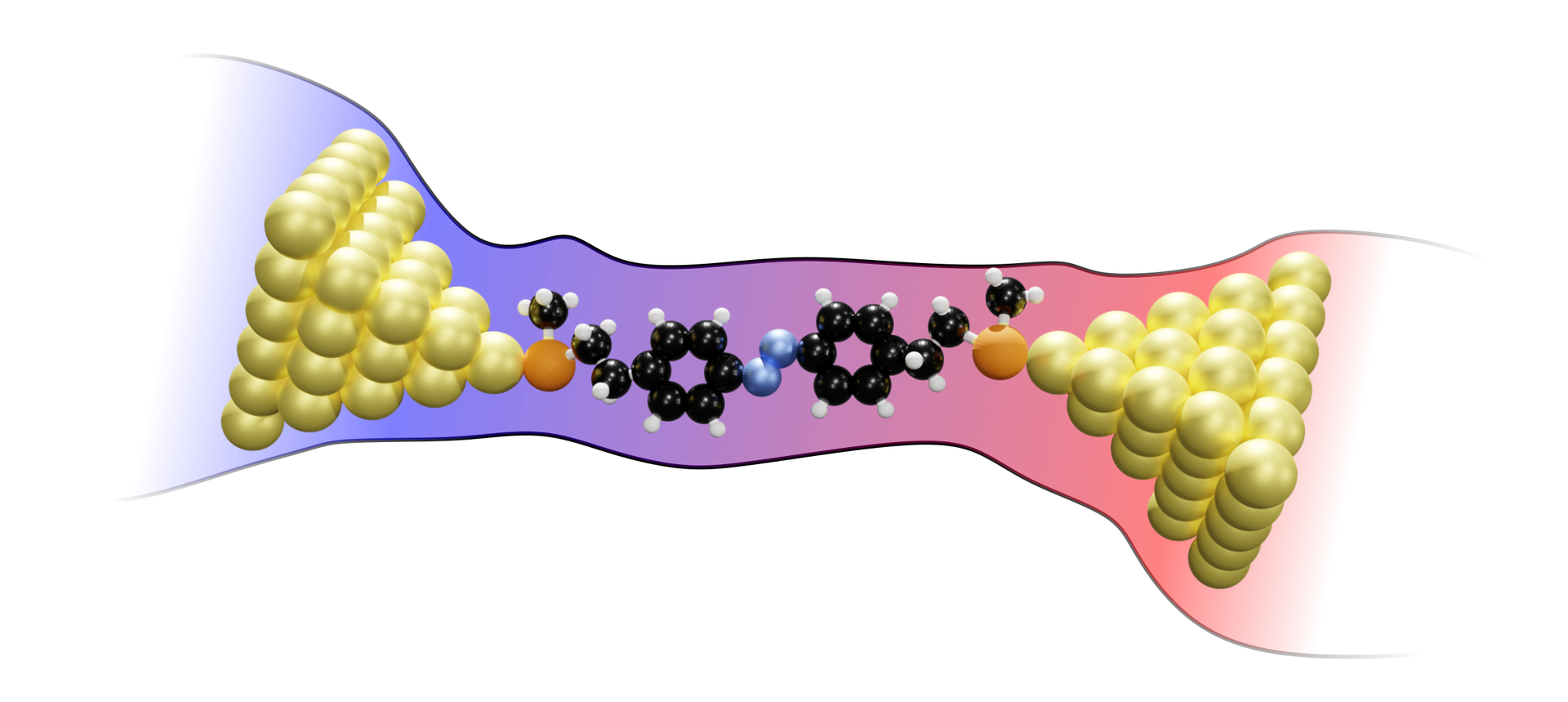
The field of molecular electronics aims at constructing a detailed knowledge base of the physico-chemical properties of single molecule-based junctions and the mechanistic behind the single (or ensemble) charge/heat transport. Such knowledge is the key to design the next generation of hybrid electronic high-performance devices for a wide variety of applications in organic electronics, sensing, optoelectronics, bio-manufacturing etc.
A consensus on how structural and conformational parameters affect the charge transport, and vice versa, has not yet been reached in the scientific community, but is strongly desirable because of the imminent potential of single(or ensemble) molecular junctions as the prototype building block for functional materials and molecular electronic devices. The aim of my research work is to contribute to that knowledge.
The main aim of our Research is to develop necessary instrumentation and explore the electronic, thermal and thermoelectric properties in metal (or carbon) │molecule│metal (or carbon) and metal (or carbon) │SAM│metal (or carbon) junctions employing a nanoscale electrochemical measurement approach. By studying the electronic properties at various level of complexity from single molecule to single cell, Structure property relationships can be established. Using established structure property relations, we will finally explore the ways in which these relations can be translated to the real-world applications and will help to solve the unwound mysteries of the nature.
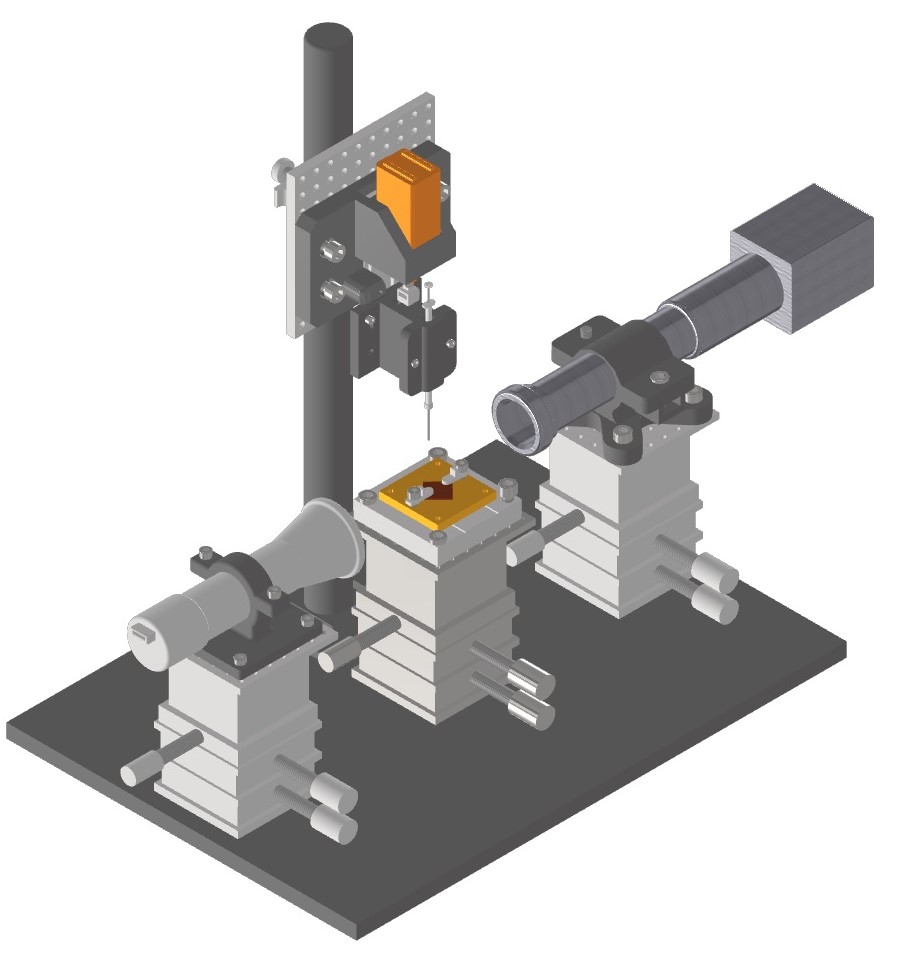
Large area based molecular junction setup / EGaIn Setup
This setup is capable of measurement of picoamp electrical current generated upon applying potential (Conductance) or temperature gradient (Thermopower) across the top EGaIn and bottom flat metal Electrode (Template stripped Au, Ag).
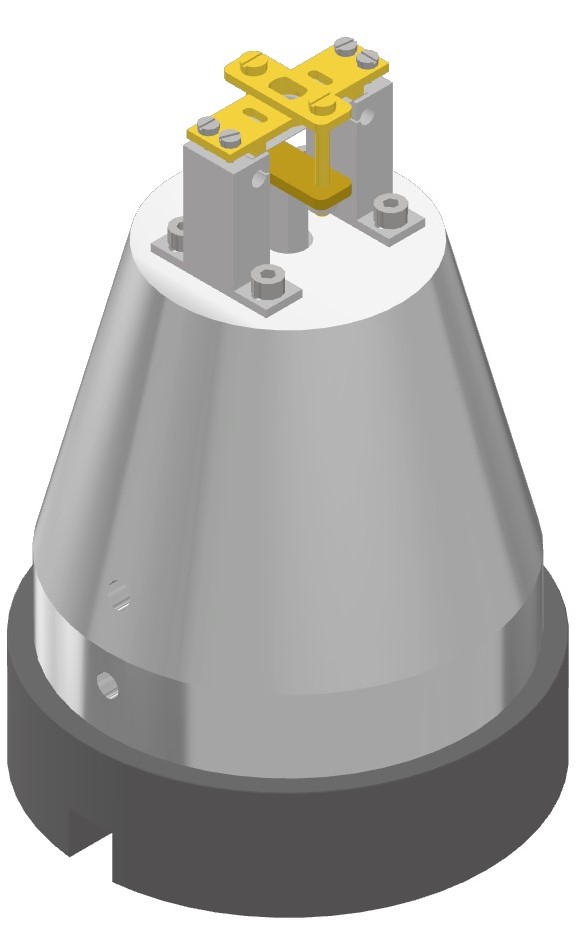
Mechanically controlled break junction setup
Capable of measuring femtoamp current across single metal|molecule|metal junctions. Inbuilt piezo and bipotentiostatic configuration. Owing to the open design, effect of external stimuli on molecular conductance are also studied using this setup.
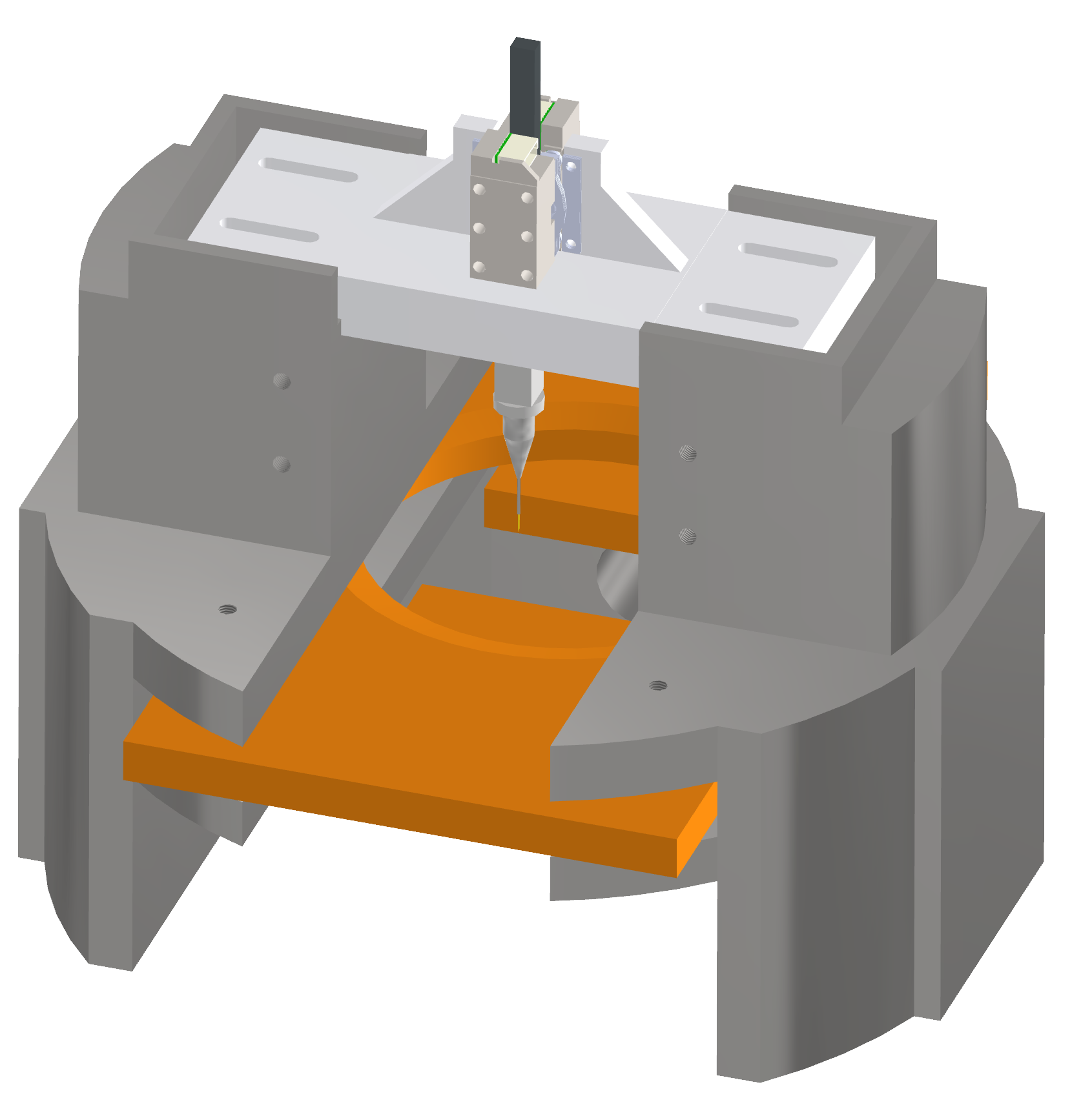
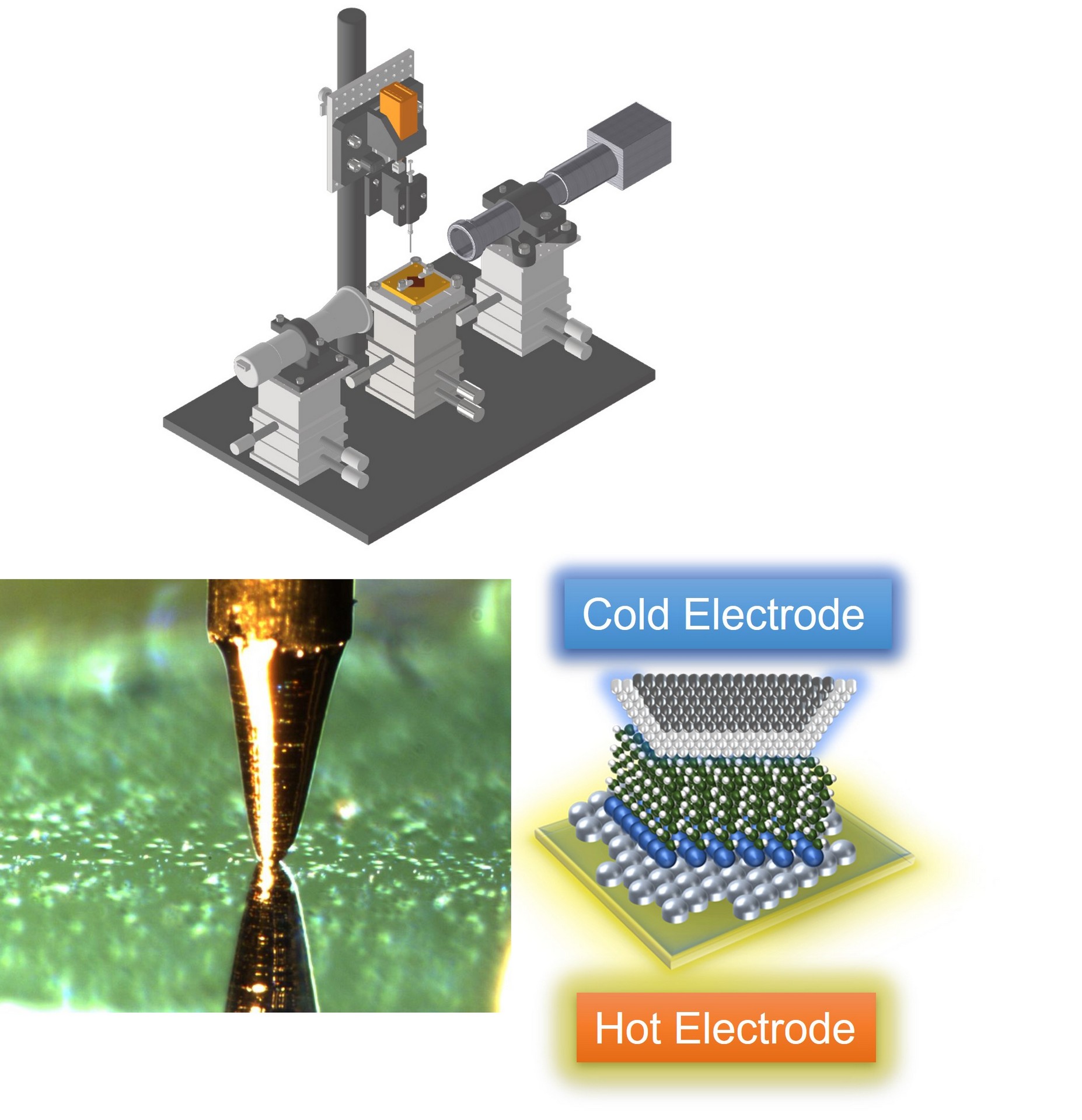
Scanning tunneling Microscope-Break junction
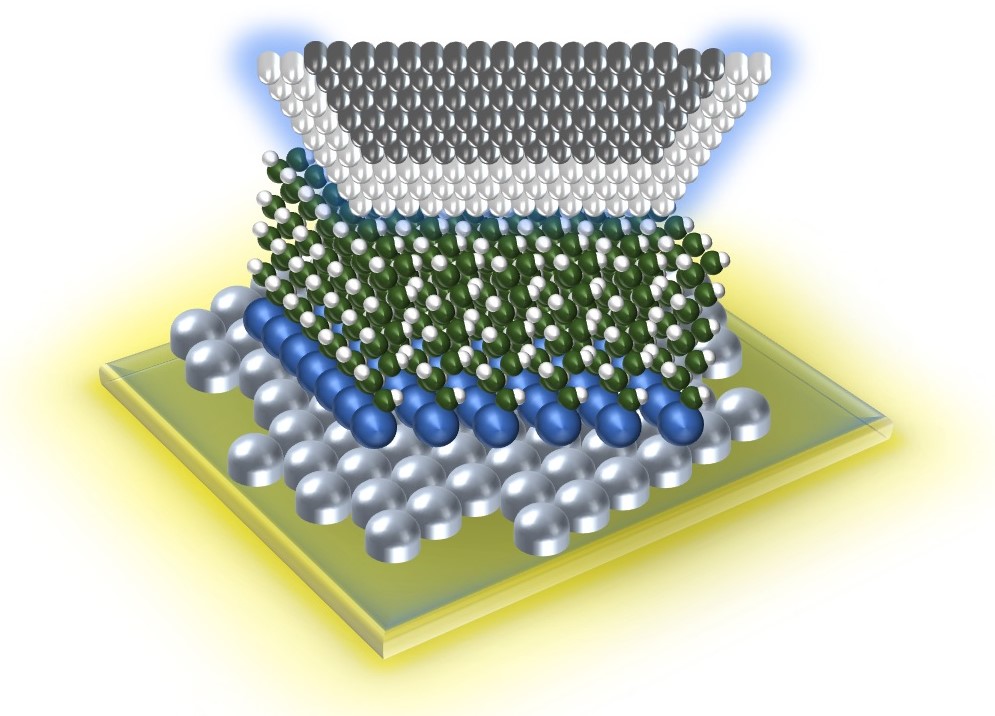
Similar to MCBJ due to formation of single molecular junctions. However junctions are created vertically between top metal electrode and bottom flat electrode. This architecture allows heating of bottom electrode to measure thermopower and spin dependent charge transport studies.
Studying electron transport through self assembled monolayers using EGaIn as top electrode and template stripped metal as bottom electrode
will allow us to characterize the effect of length of molecule, intra and inter molecular interactions, metal molecular interaction, effect of change of metal electrodes on the transport properties of molecular monolayers. Effect of external conditions like humidity, presence of other gases, light are also explored.
Studying thermopower generated across Self assembled molecular monolayers using EGaIn setup
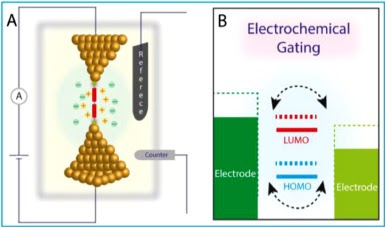
After IV/Conductance characterization of target molecule Self assembled monolayer based molecular junctions, the next logical step is to measure the thermopower generated upon application of external temperature gradient, since thermopower studies can reveal more information concerning the mechanism of charge transport through the molecular system like type of majority carriers, HOMO or LUMO mediated charge transport etc.
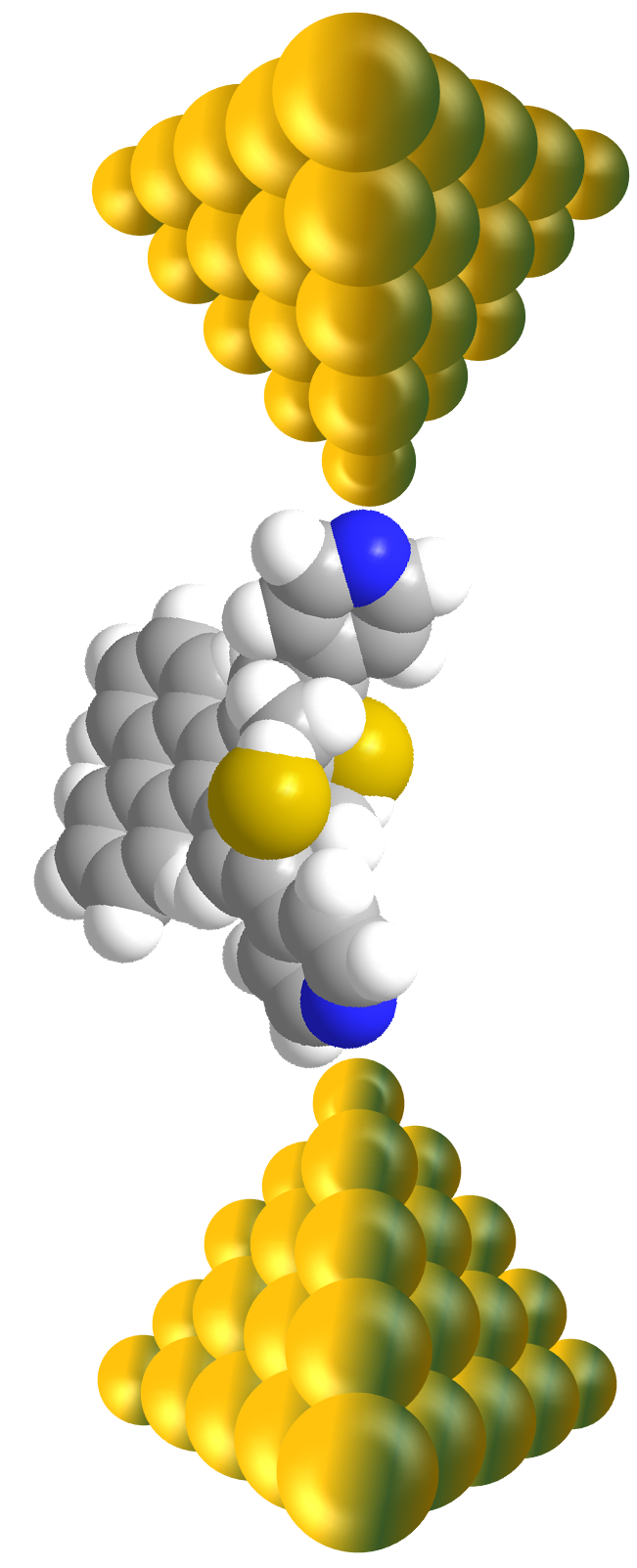
Electron transport study across single molecules using MCBJ and STM setup: Effect of molecular architecture and external stimuli
Going further at single molecular level, the electronic transport studies using MCBJ and STM setups will be used to give insight to the effect of molecular architecture on the transport properties of single molecules. These studies will unveil the Quantum interference effects of electronics waves through molecular orbital. These studies will give further insight on how atomic-detailed nano-scaled structural modification in molecules can affect the performance, energy consumption and longevity of molecular-scale devices.
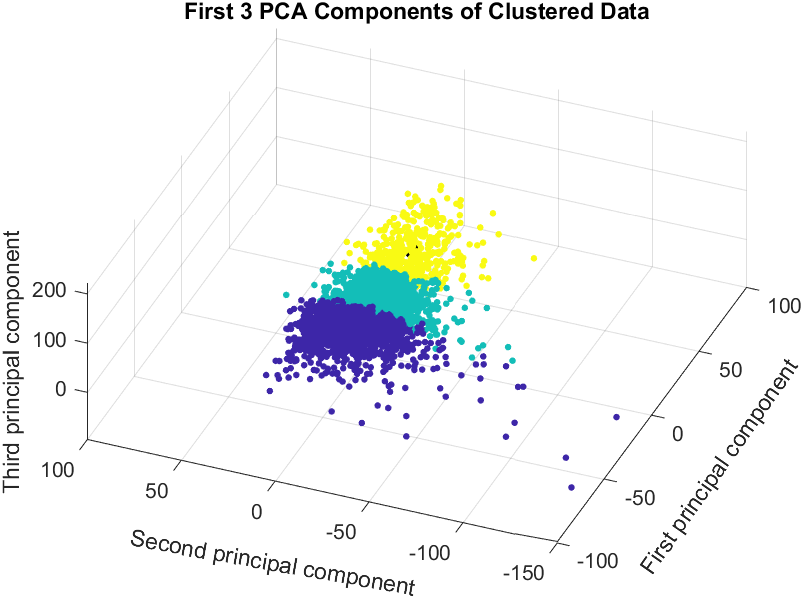
Applying Artificial intelligence and Machine learning to Molecular electronics
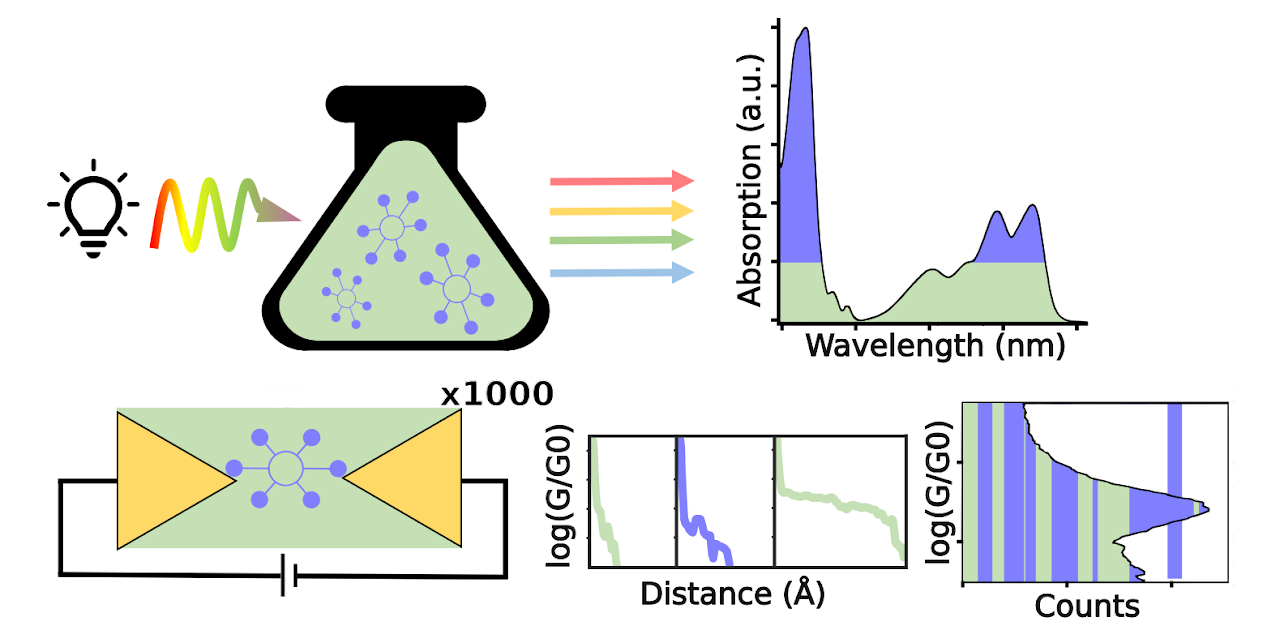
Statistical analysis of the molecular conductance or thermopower data gives the population property of the system. However, as the molecular junctions are dynamic and every time a new junction geometry is formed. Depending upon the molecular system a particular anchoring chemistry might not always be probable. However all these properties can't be extracted by the statistical analysis of molecular electronics data. Machine learning can extract every possible bit of information by analyzing each of the molecular trace individuals. I am using Principle component analysis, K-means++, GAL, and T-SNE machine learning tools to cluster the data into groups having similar features. Each group has similar properties like a group of molecular conductance traces with high conductance or a group with low conductance or just a group of tunneling traces where no molecule was trapped.
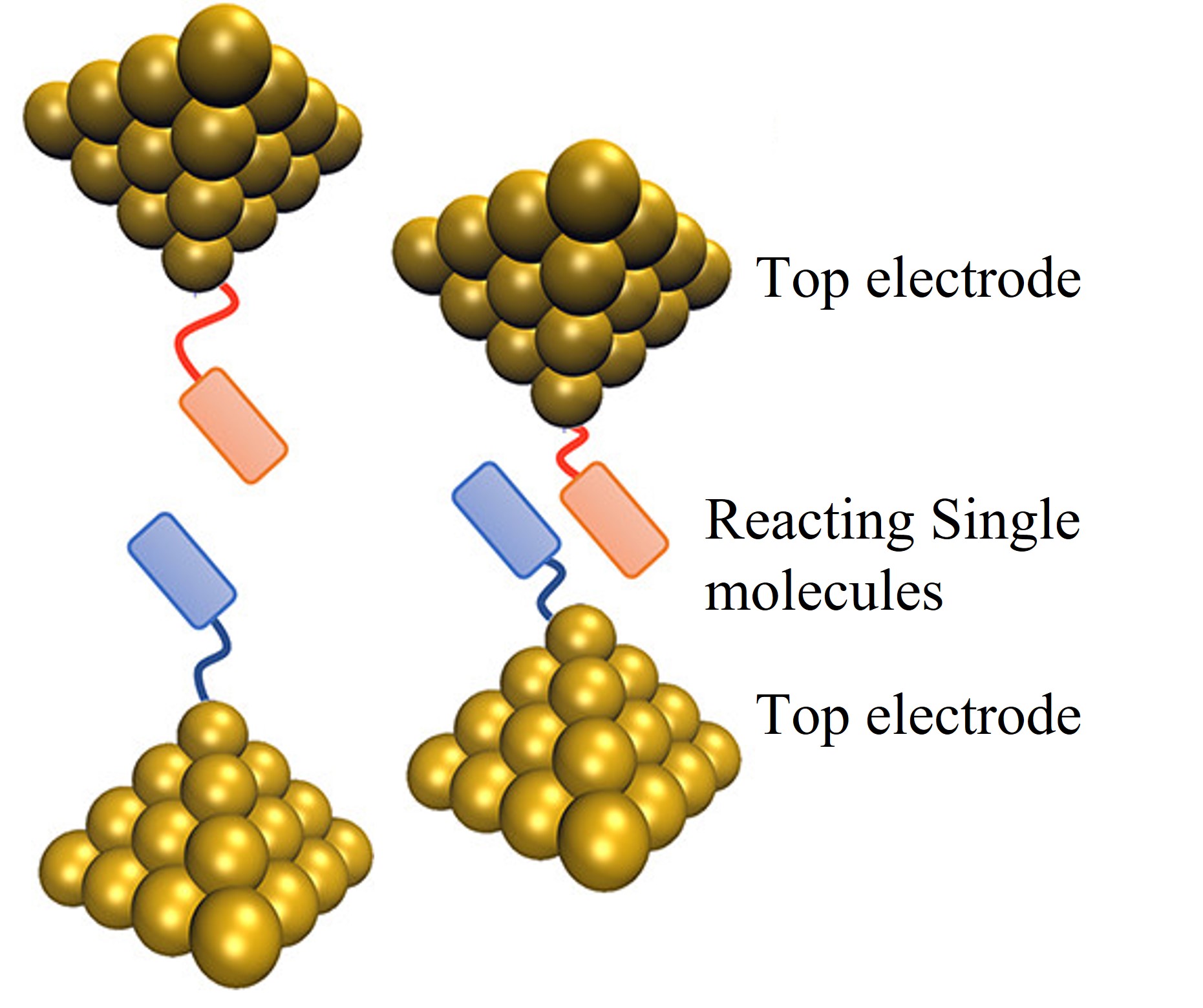
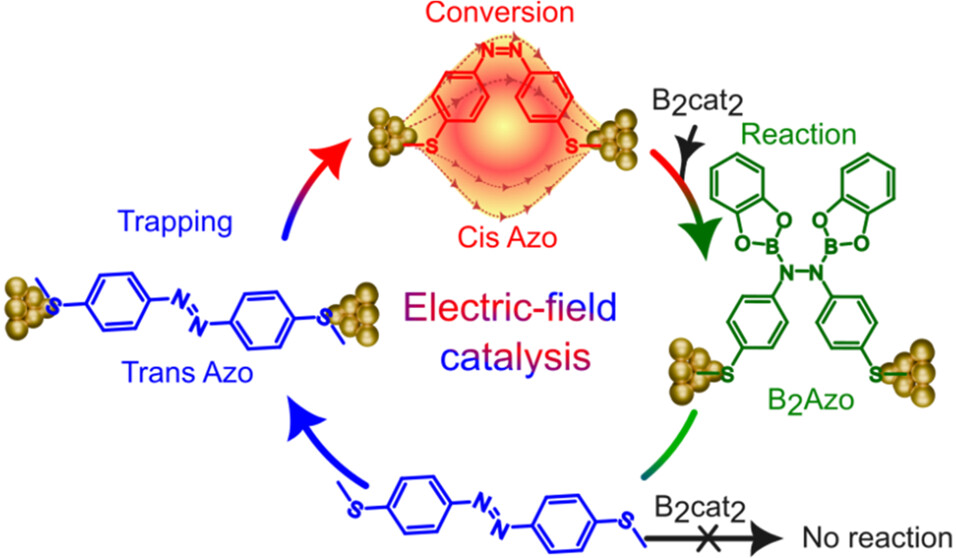
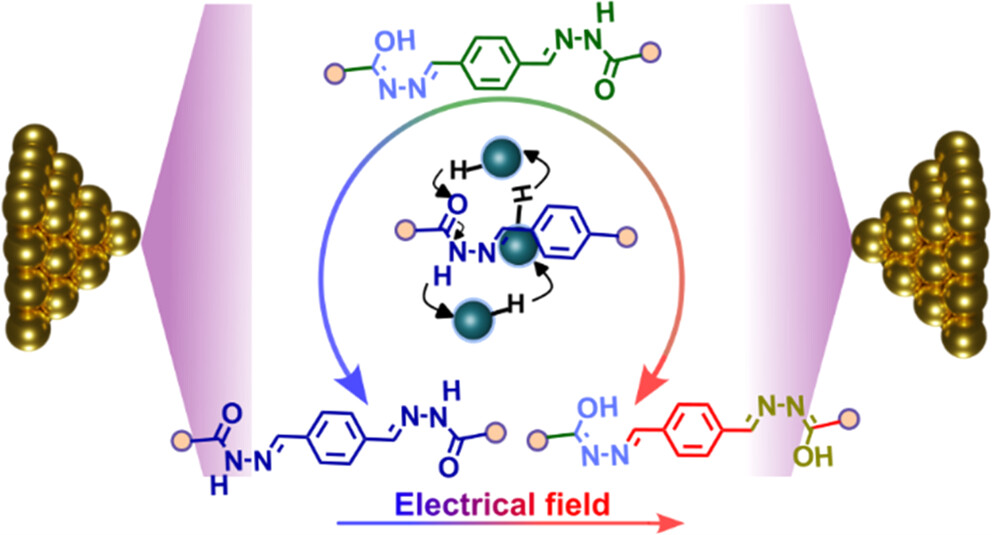
Studying and modulating Reaction dynamic at single molecular level in realtime
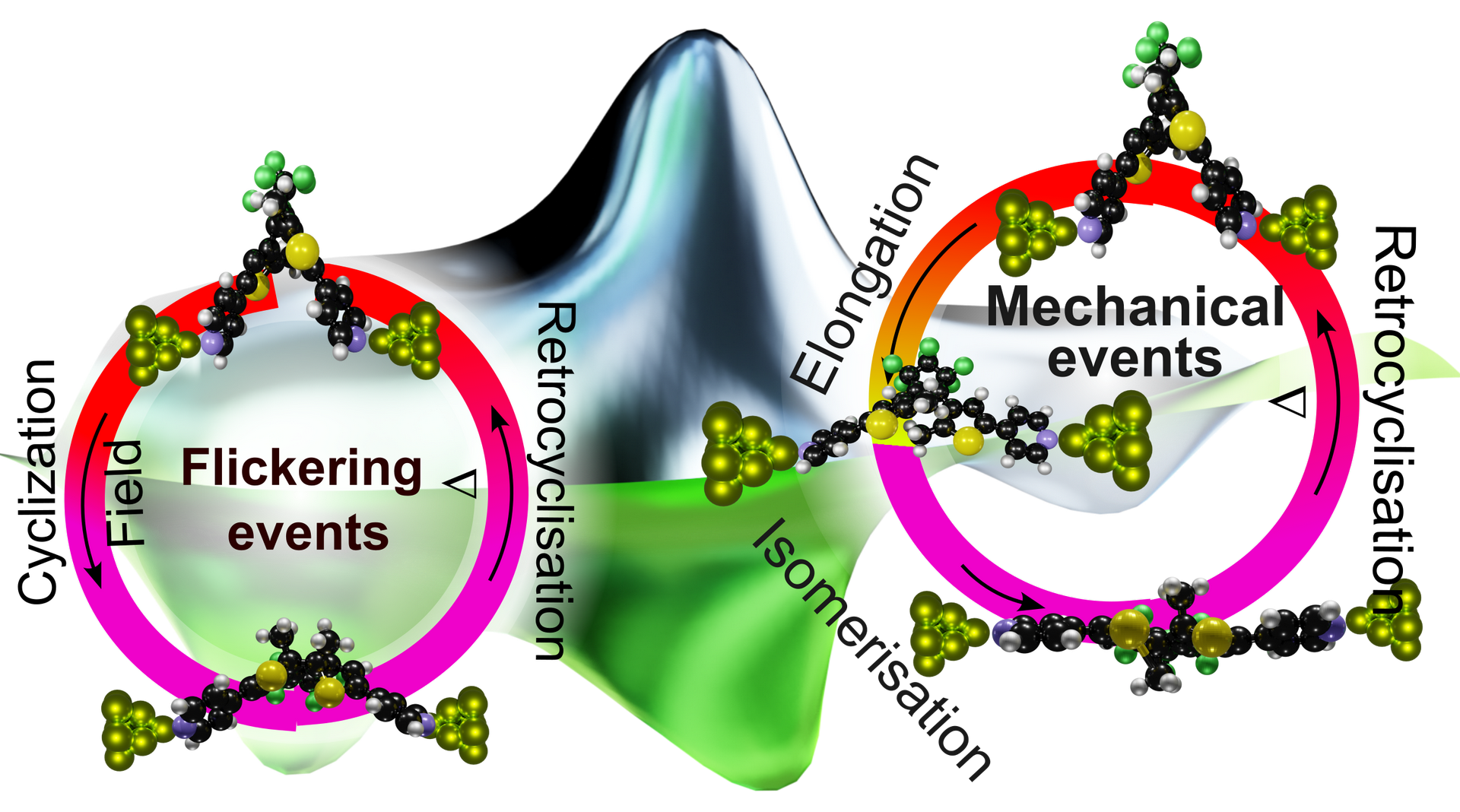
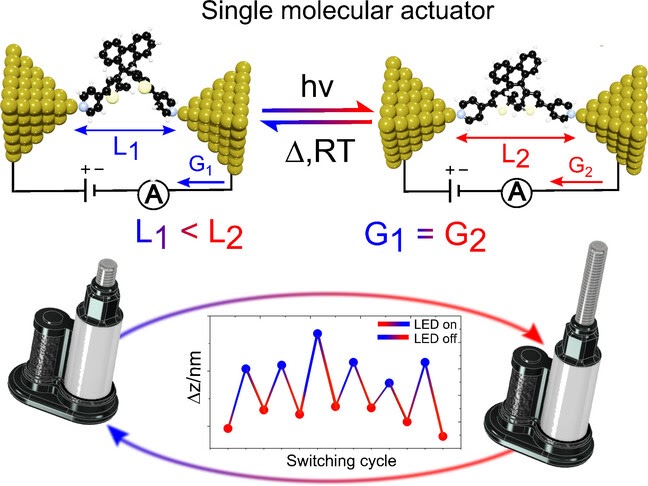
Real time conductance measurement with reactants attached to electrodes should guide us towards the electronic property of intermediates involved. Using break junction techniques to mechanically stretch a electrically connected molecule forcing it to isomerise to a stable form. The isomerisation is followed in real-time using conductance measurements opening a new era of single molecule mechanochemistry. Measuring conductance at high sampling rate allows us to probe reaction intermediates and metastable states as well.
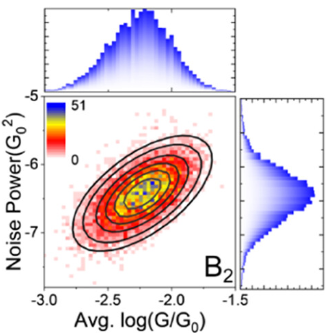
Quantifying the 1/f noise in molecular junctions: Flicker noise power measurements
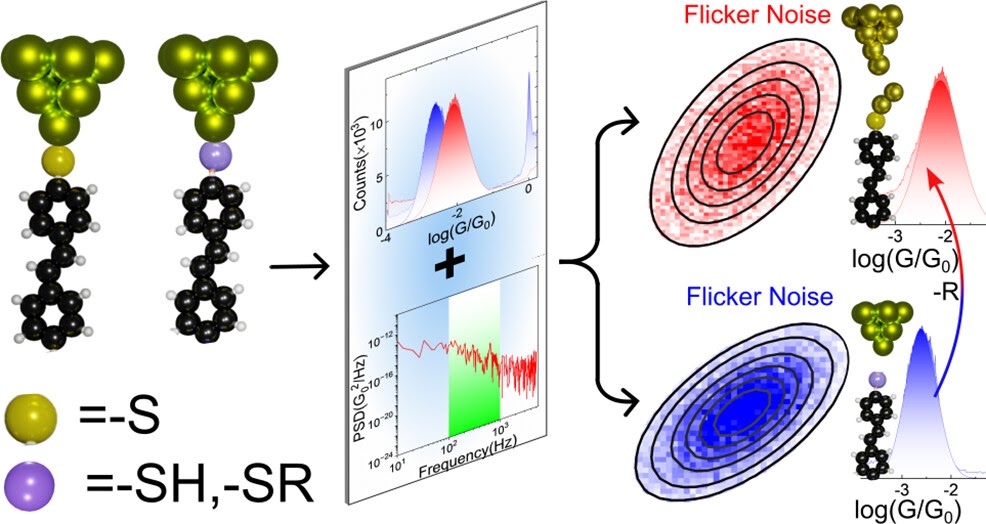
Flicker noise or pink noise arise in molecular junctions due to the rearrangement of atom in connecting electrodes as the junction is evolving by pulling the electrodes apart. Flicker noise can differentiate between through bond or through space tunneling mechanism and becomes an efficient tool to detect molecular stacking conductance plateau in single molecule conductance measurements. Using flicker noise as a probe, the coupling strength of different anchoring groups can be evaluated which is necessary to design stable molecular junctions with improved junction lifetimes.
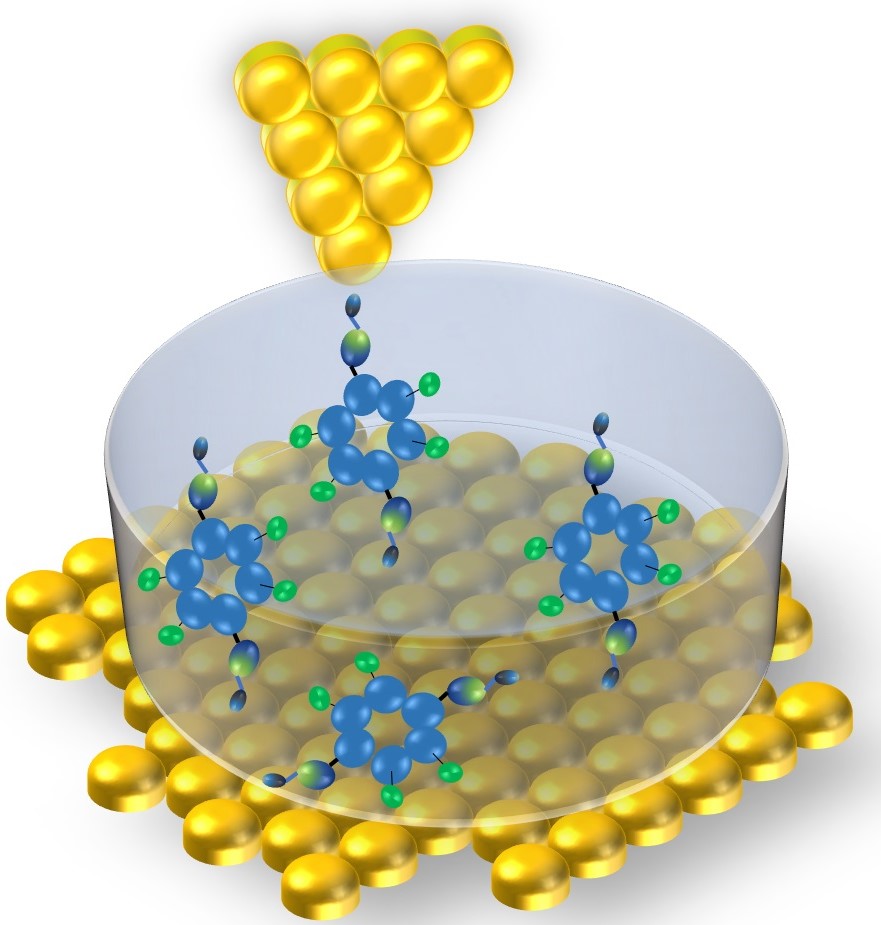
Study of Thermopower generated across single molecules using STM setup: Paving the way for highly efficient, renewable energy
This work will offer an unprecedented opportunity to contribute to the existing knowledge of efficiently harnessing solar and thermal energy. The study of heat transport of different metals, and molecular junctions is a fundamental scientific and technological step forward in managing and controlling heat dissipation at the nanoscale electronics.
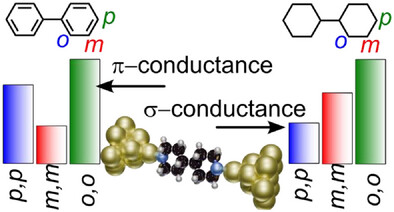
Quantum Interference Effect in Saturated Systems: Bipiperidines & Dithiocarbamates
Joined Physikalisches Institut (PHI), IQMT, KIT

Indian Institute of Science
Mapping extended ground state reactivity of a photoswitchable molecule
Au–Thiol Interface through the Lens of Flicker Noise
I respond quite fast — unless I’m on holidays or deep in the lab. 😄
📍 Physics Institute (PHI) · KIT
📧 umarorarman@gmail.com
🔗 PHI profile · IQMT · INT